

Jojo’s brother started the first grade this fall. He’s playing soccer and hanging out with friends and saying things like “that hill was so epic!” when riding bikes together. He’s changing before our eyes. Turning into a big kid. And he is able to to understand a lot more about what is going on with his sister. He sees his friend’s younger siblings that can run and play and not mess up his legos. When our friends and their kiddos come over to our house, or us to theirs, the difference between Jojo and other kids her age is stark.
This big kid of ours has grown into such a loving big brother and protector. At home, he scoots on the floor, side by side with his sister. He helps her down the stairs by sitting behind her, wrapping his legs around her waist and his arms around her torso and bumping down, one step at a time. He can anticipate her needs, figure out sometimes before we do why she is upset. He has such a big heart.
And. He has a lot of sadness and frustration. Expectations are different for him than they are for Jojo. Much of the time she gets more attention. She has lots of helpers that visit her – her therapists. They have toys and play with her. To a kid this is fun, not work. Rules are unfair from his point of view. He is expected to clean up after himself. He dresses himself, brushes his own teeth, takes his dishes to the sink after dinner. Many of these things Jojo cannot do independently. He started asking me to dress him and carry him to bed. I indulged this for a while until that phase ran its course and his sense of independence returned.
Lately we’re in a new phase. Jojo has always had an overactive startle reflex. The vacuum, the coffee grinder, the hair dryer cause her to panic and cry. Her older brother, running into the room or talking to us from the other room incites screams. More recently, it is supercharged and she’s added hitting to the mix. Sometimes she is just being a 4-year-old and testing what she can get away with. Sometimes though, it is real fear. She flails and thrashes and hits. It is hard to tell the difference and the difference doesn’t matter. We’ve begun bending our lives around this behavior, changing the way we live and what we do to avoid triggers. This is hard on hubs and me, imagine the burden it is for a 7-year-old kid. Left unchecked, Jojo’s Au-Kline syndrome can easily become the center of our universe.
Hubs and I work hard to make space for Jojo’s brother at the center of this universe. We talk with him about Jojo’s “gene problem”, his words. We acknowledge the difficulty of hard moments and wallow in the joy of of silly, happy moments. We take turns having special dates with just him. We let him be sad and cry when he needs to. Some days we do this with patience and care. And some days, we’re right there with him feeling completely over this particular center of the universe.
#au-kline syndrome #rare disease #special needs
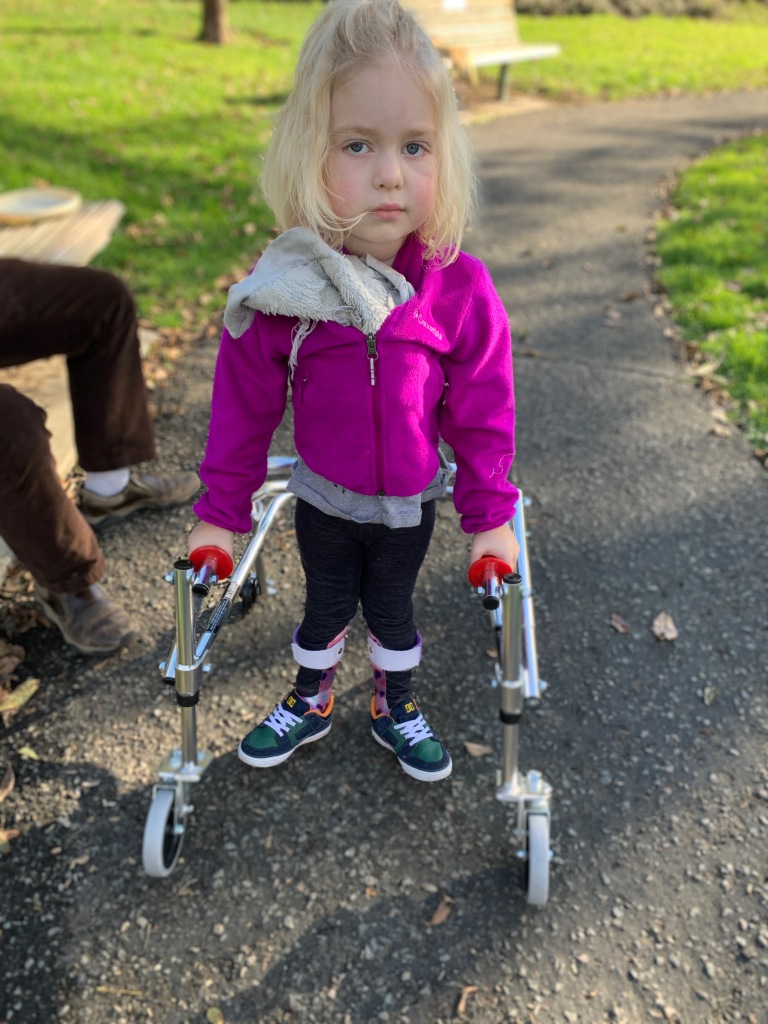

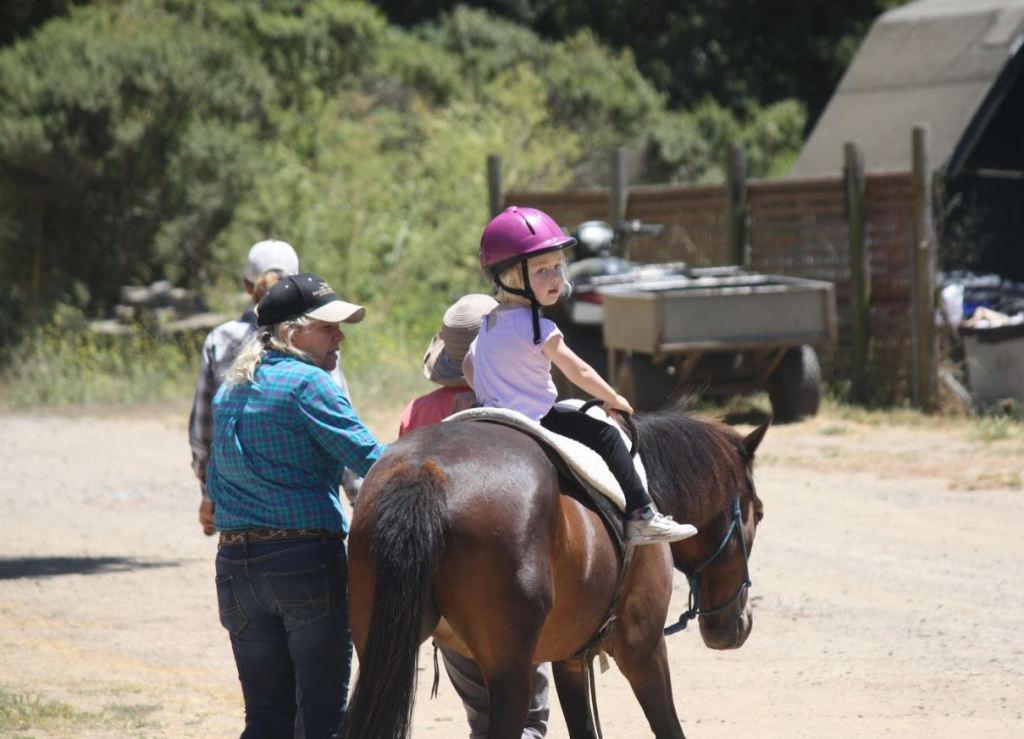


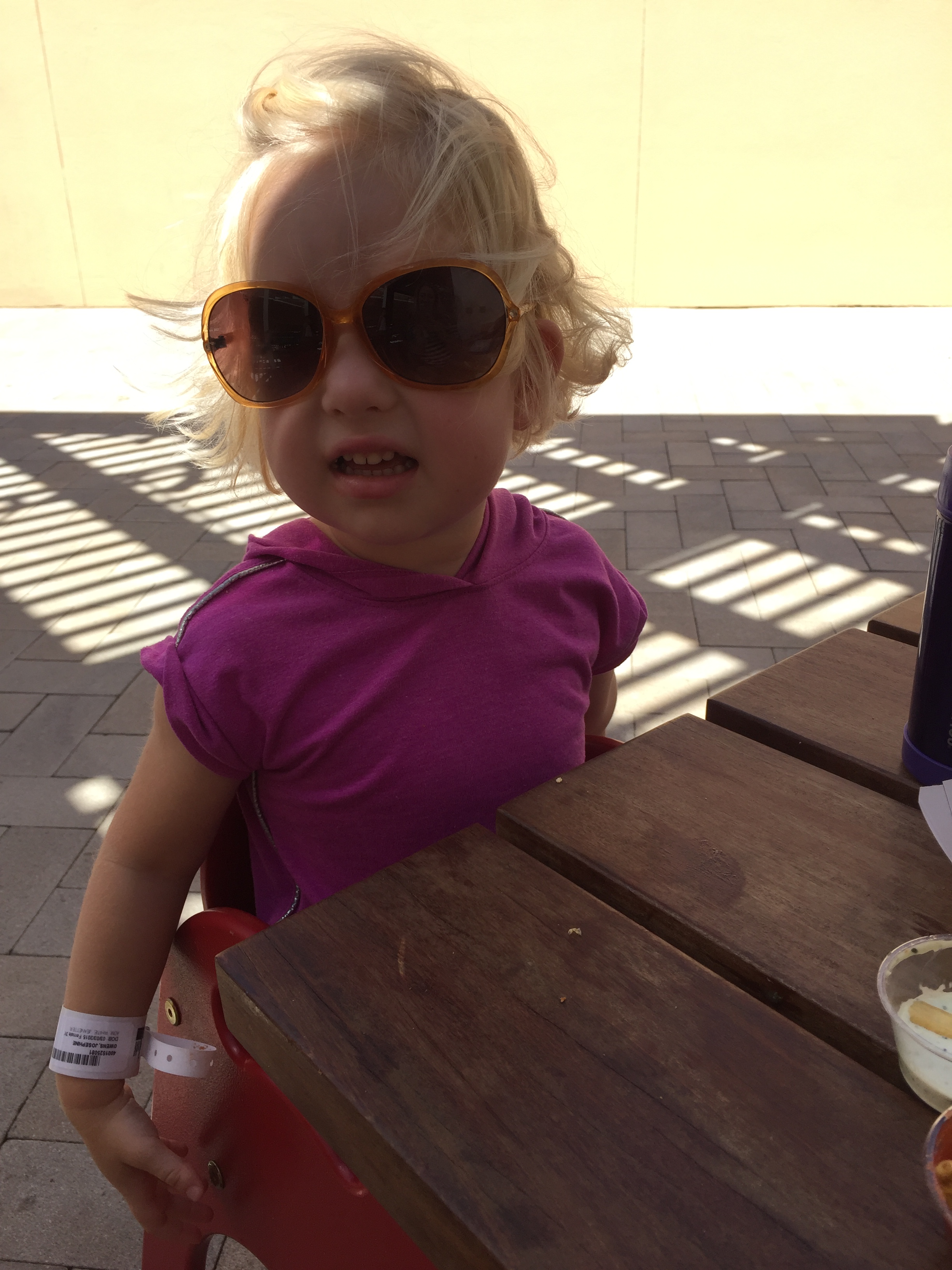 On a warm summer day on the last Friday of July we were told that Jojo has something called Au-Kline Syndrome. The results of her genetic tests were back, from the whole exome sequence we did in June. She has a meaningful variance on the gene HNRNPK, a protein coding gene. This kind of variant on this gene means Au-Kline Syndrome (AKS). AKS was defined very recently in late 2015. There are 10 known patients, and like with all rare genetic disorders, this number will grow as families just like us seeking a diagnosis will find it.
 I have been giving this a lot of thought lately. These problems are complex. There is disagreement on what the solutions should be, or even what the problems really are. We get lost in our debates and polarizing vocabulary. And we start to believe that those who disagree with us are bad. Maybe some of them are. And maybe we need a new perspective too.
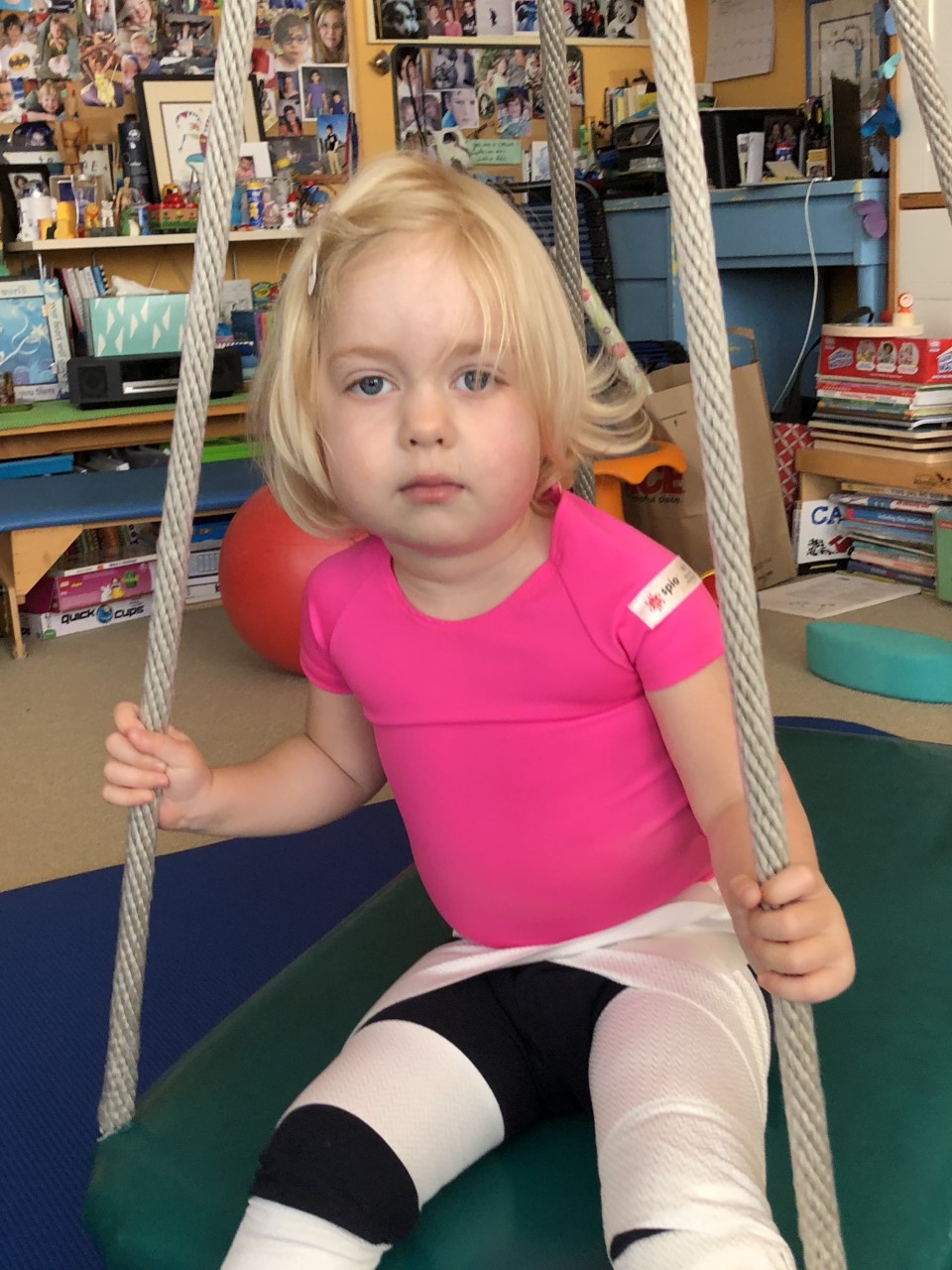
 Jojo recently had an appointment with a genetic specialist. And and I learned something I didn’t know but thought I did. Not that I was misinformed. I’ll use an analogy. Imagine a large underwater labyrinth of caves in the middle of the ocean. These caves are connected by long, narrow, winding tunnels. From some areas of a given cave, you can’t see the tunnel openings that lead to other caves. Now say you are scuba diving in the middle of the ocean and you discover one of these caves. Amazing! Under all that water there is a cave. But it is dark because you’re at the bottom of the ocean and your air is getting low so you head back up, completely oblivious to the connecting caves. You think you discovered a cave. And you are not wrong. It’s just that your information is incomplete. Rare, unknown, valuable information is in those other caves. You just don’t know about the tunnels to even consider navigating them.

