

In March this year Jojo turned four, and she became eligible to be a rider at a nearby horse ranch. Not just any horse ranch, it is a non-profit that provides therapeutic horseback riding exclusively for disabled people. Finally. Jojo has a thing. Something that is just for her.
On the drive to her first ride I was in awe. The ranch is in Nicaso, a small village about a 45 minute drive north west from our home. Nicaso is a tiny rural village with a population of 96. It is a beautiful part of Northern California with rolling hills and redwood trees. Much of the area is used for agriculture. The hillsides are dotted with cows in every direction. There are organic farms, even some small vineyards.
That first day was tough. Jojo wasn’t having it. For any young child, the unknown is scary. Something new and out of routine is confusing and disorienting. And not being able to have a conversation with Jojo ahead of time to explain and set her expectations meant absolute terror for her. Getting the helmet on was the first battle and I didn’t come out unscathed but got it done. Next was getting her on the horse. I really didn’t think it was going to happen on the first day. But these people are serious professionals. We stood on a raised platform, and I held Jojo as they brought over Skippy the pony. They whisked her out of my arms and onto Skippy and began walking toward the riding arena, which is at least a football field length from where the parents and caregivers are allowed to watch. She screamed bloody murder for about 10 minutes. I hid behind a tree, peeking around to watch. She finally quieted. I could see from afar she was happy. Her arms were flapping and wiggling, much like what she does when I arrive home from work at night. I was elated.
She rode for half an hour, with three adults – a guide on either side of her and a horse guide leading. When her time was up they started back to the platform and I came out of hiding. As soon as she saw me she started crying again. More evidence to support the study that kids are 800% worse when their mothers are in the room (satirical study here).
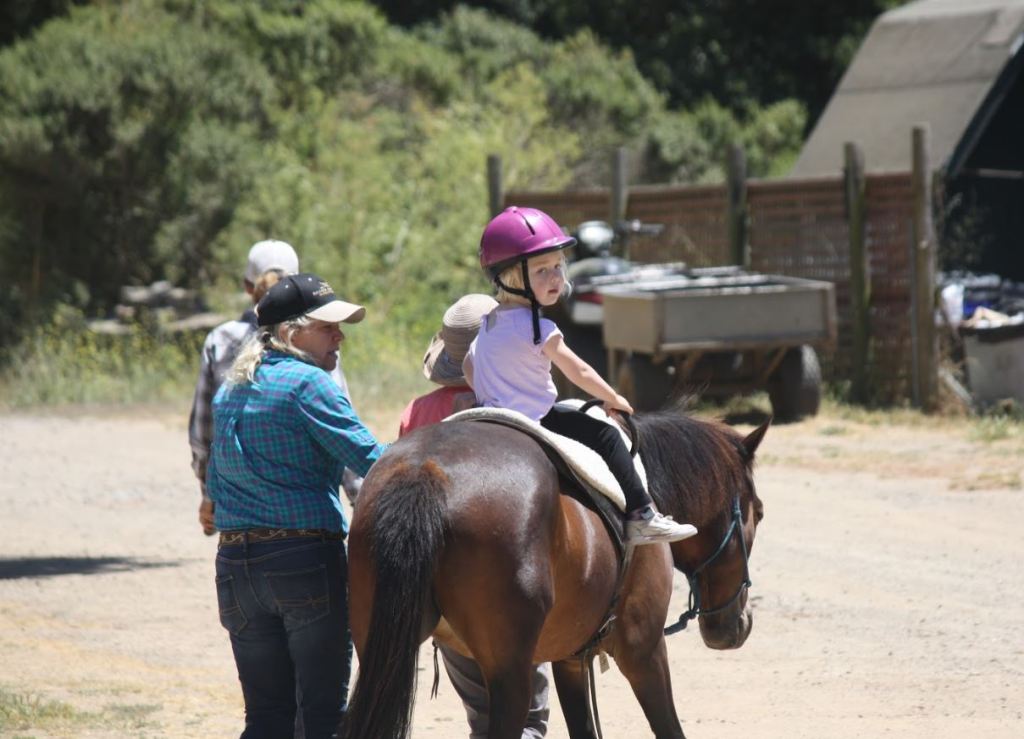
Now, six months later, when Wednesday afternoon rolls around and it is time to go to Nicasio, there are no tears. There are no screams, no need to hide behind trees. Jojo is so excited, she says “Skippy” over and over in the car on the way there. She loves riding. She comes alive. It gives her independence for that brief time while she’s riding. She’s able to move without being carried. She feels the movement of Skippy and that gives her muscles input, much like if she were walking on her own. That creates new neural pathways in her brain, rewiring it so she can walk one day. She builds her core strength and balance. And, maybe most important and least scientific is that horses are just cool. They can sense and understand human emotion. Riders bond with their horses and develop trust, confidence, patience, focus.
Side note – I highly recommend the movie The Mustang if you haven’t seen it.
Therapeutic horseback riding is becoming more and more trusted to have tangible therapeutic benefits to people with disabilities. It has brought such Joy into Jojo’s life and thus my life. Hooray for horses!


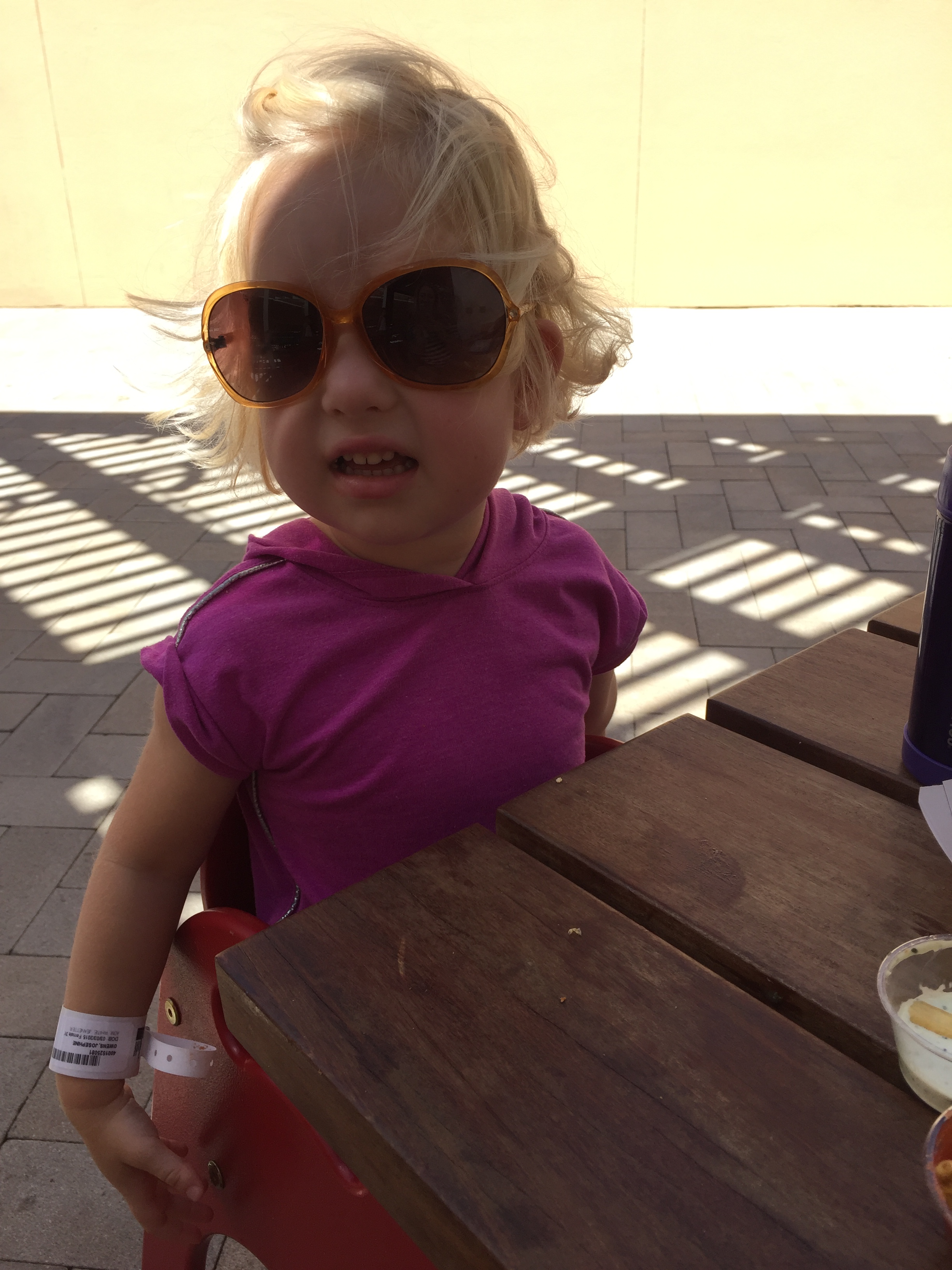 On a warm summer day on the last Friday of July we were told that Jojo has something called Au-Kline Syndrome. The results of her genetic tests were back, from the whole exome sequence we did in June. She has a meaningful variance on the gene HNRNPK, a protein coding gene. This kind of variant on this gene means Au-Kline Syndrome (AKS). AKS was defined very recently in late 2015. There are 10 known patients, and like with all rare genetic disorders, this number will grow as families just like us seeking a diagnosis will find it.
 I have been giving this a lot of thought lately. These problems are complex. There is disagreement on what the solutions should be, or even what the problems really are. We get lost in our debates and polarizing vocabulary. And we start to believe that those who disagree with us are bad. Maybe some of them are. And maybe we need a new perspective too.
 Jojo recently had an appointment with a genetic specialist. And and I learned something I didn’t know but thought I did. Not that I was misinformed. I’ll use an analogy. Imagine a large underwater labyrinth of caves in the middle of the ocean. These caves are connected by long, narrow, winding tunnels. From some areas of a given cave, you can’t see the tunnel openings that lead to other caves. Now say you are scuba diving in the middle of the ocean and you discover one of these caves. Amazing! Under all that water there is a cave. But it is dark because you’re at the bottom of the ocean and your air is getting low so you head back up, completely oblivious to the connecting caves. You think you discovered a cave. And you are not wrong. It’s just that your information is incomplete. Rare, unknown, valuable information is in those other caves. You just don’t know about the tunnels to even consider navigating them.
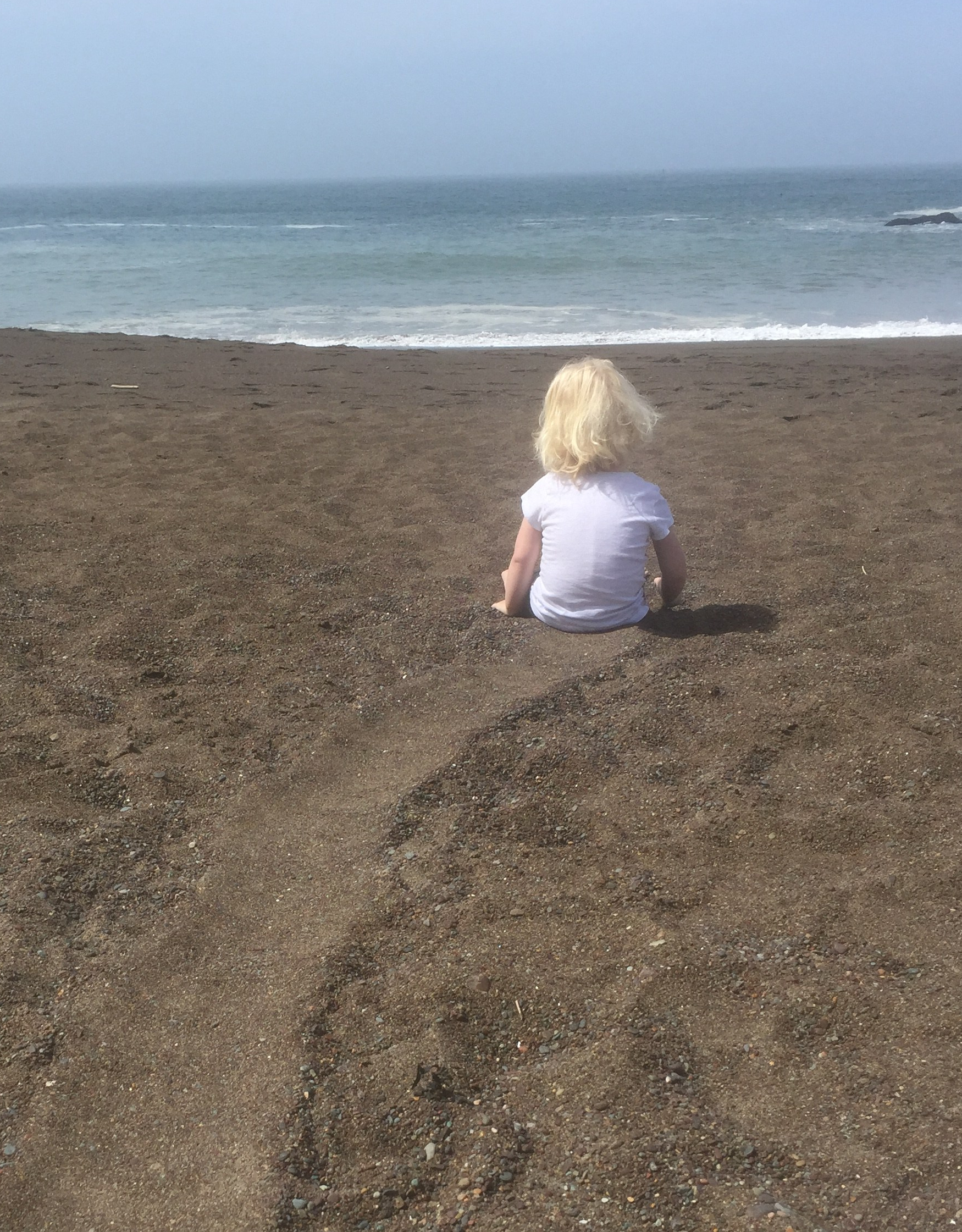 When I scoop her up and hug her, she pats my back
 They’re only words? Only? Words are everything! Words are the building blocks of communication, and communication is how relationships function, how knowledge is shared, how ideas come to life, how problems get solved. And over time, the words we speak, the vocabulary we form, the way we choose to communicate becomes a window to our soul. Over time because one moment or one conversation cannot us. The general way we speak about ourselves and the people and world around us over time paints a picture of who we are, at the core.
 Jojo The Strong